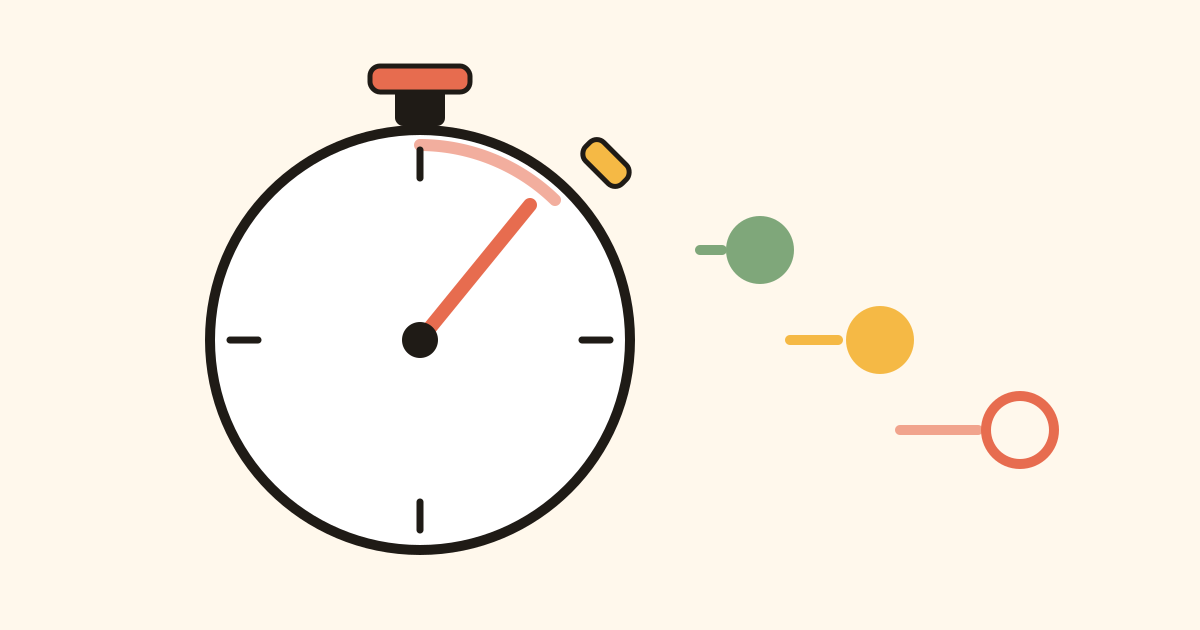
Two children solve the same problem: 8 × 7. Both say 56. The first answers after two seconds, the second after twenty — quietly counting in steps of seven. On the worksheet both answers look identical: correct. But the two children are at completely different points, and they need completely different practice.
That's exactly why response time is one of the most underrated pieces of information in learning arithmetic. It distinguishes recall from computation — and that distinction tells you more precisely than any grade what should come next.
Recall or computation: the difference in seconds
For basic facts — times tables, addition and subtraction to 20 — a rough guide: if the answer arrives in under three to five seconds, with no counting movement of lips or fingers, it's being retrieved from memory. That's the goal, because retrieved facts cost no thinking capacity — they leave the head free for the actual working.
If the answer takes longer, your child is computing. That's not a mistake — it's an earlier stage and completely normal for new topics. But it means these facts aren't automatic yet, and more complex problems built on top of them will stay exhausting until they are.
Multi-step procedures like 62 − 27 are different: here thinking time isn't a warning sign but welcome. What deserves attention is a child who always stalls at the same spot — that points to a specific gap in the procedure, not to missing speed.
Why you still don't need a stopwatch
As valuable as the information is, collecting it is delicate. Children who get timed quickly develop exactly the tension that blocks recall — time pressure is one of the most reliable producers of math anxiety. The solution is quiet observation: at the dinner-table check you'll notice without a clock whether “5 times 6” comes promptly or is counted out.
In our app that observation happens invisibly on the side: every test quietly measures time to answer — no countdown, no ticking clock, nothing the child notices. On the parent dashboard, pace flows into the assessment: “solid” with us means correct and fluent, not merely correct.
Correct but slow — what helps now
The diagnosis “can do it, still computes” has a clear therapy: more recall opportunities, not more explanation. The child has understood — what they need now are lightning rounds: short spoken quizzes, shuffled cards, the five-problem round before toothbrushing. Small, frequent, no stakes.
The opposite case — fast but often wrong — needs the reverse: slow down. Have the working written out, have them think aloud, praise accuracy over pace. Speed based on guessing is not a head start.
Right or wrong tells you where your child stands today. Response time tells you where they're heading. Read both together and you'll never practise at the wrong end.